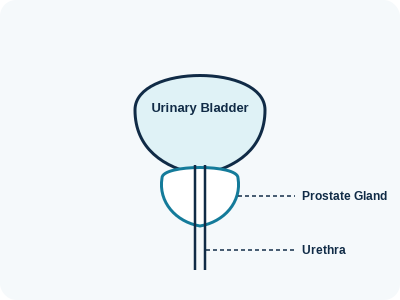
Many men notice changes in urination as they grow older. An enlarged prostate (BPH) is a common non-cancerous cause of lower urinary tract symptoms.

Symptoms to Watch
A slower stream, hesitation before urine starts, needing to pass urine more often during the day or night, or feeling the bladder is not empty are typical signs.
Treatment Pathways
Care ranges from watchful waiting and medication to minimally invasive procedures when symptoms persist or cause complications. A urologist can help rule out other causes and tailor care.
How BPH is assessed
Assessment usually starts with a symptom questionnaire and examination. Tests may include a urine test, kidney function, a PSA blood test after discussion, an ultrasound to measure the prostate and the urine left after passing water, and a flow test.
Medicines and procedures
Lifestyle measures such as reducing evening fluids, caffeine and alcohol help some men. Alpha-blockers relax the prostate muscle, and 5-alpha-reductase inhibitors can gradually shrink a larger prostate. When medicines are not enough, or complications develop, procedures such as TURP or laser prostate surgery are considered.
Symptoms that need prompt review
- Being unable to pass urine, which is an emergency
- Blood in the urine
- Repeated urinary infections or bladder stones
- Signs of reduced kidney function on blood tests
Have a question about your symptoms?
Choose your preferred hospital and request a consultation. Your enquiry opens in WhatsApp and is sent only when you press Send.