Understanding Kidney Cancer (Renal Cell Carcinoma)
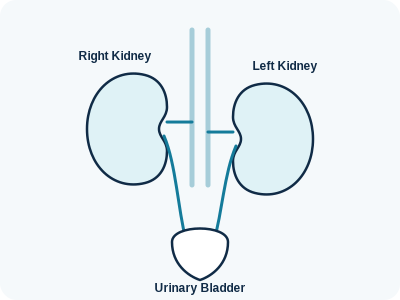
Kidney cancer originates in the lining of the kidney tubules or surrounding renal tissue. Many small renal masses today are detected incidentally during ultrasound or CT scans performed for unrelated symptoms.

Symptoms and Warning Signs
- Often asymptomatic in early stages
- Blood in the urine (hematuria)
- Persistent flank pain or a palpable mass in the side or abdomen
- Unexplained weight loss, fatigue, or intermittent fever
Causes and Risk Factors
Risk factors include tobacco smoking, hypertension, obesity, advanced age, long-term dialysis, and specific inherited genetic syndromes.
Diagnostic Tests and Evaluation
Multiphasic contrast-enhanced CT or MRI of the abdomen and chest staging evaluate tumour size, vascular involvement, and anatomical complexity alongside baseline renal function tests.
Available Treatment Approaches
Depending on tumour size, location, and patient health, treatment options include partial nephrectomy (removing the tumour while preserving healthy kidney tissue), radical nephrectomy, or structured active surveillance for selected small masses. Robotic-assisted surgery is frequently used for complex partial nephrectomies.
When to Consult a Urologist
Any suspicious kidney mass on imaging or unexplained blood in urine warrants timely review by a uro-oncologist.
Self-care and practical tips
- Stop smoking, which lowers risk and helps recovery.
- Keep blood pressure well controlled and maintain a healthy weight.
- Bring all previous scans and reports to your appointment.
- Avoid anti-inflammatory painkillers unless your doctor agrees, to protect kidney function.
Questions to ask at your consultation
- Is a kidney-preserving operation possible for my tumour?
- Is active surveillance an option in my situation?
- What follow-up scans will I need, and for how long?
Frequently asked questions
What is a partial nephrectomy?
Partial nephrectomy removes the kidney tumour while sparing the remaining healthy kidney tissue to help preserve long-term renal function.
Discuss Kidney Cancer Treatment with a specialist
Choose your preferred hospital and request a consultation. Your enquiry opens in WhatsApp and is sent only when you press Send.