Understanding Ureteric Stones
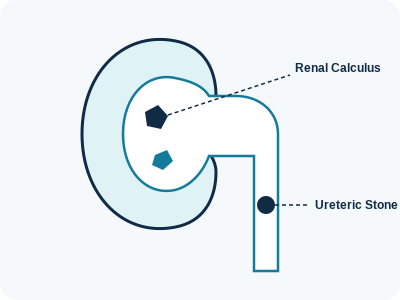
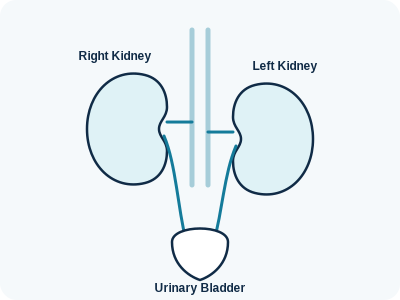
A ureteric stone is a kidney stone that has moved into the ureter—the narrow muscular tube carrying urine from the kidney to the bladder. Because the ureter is narrow, even moderately sized stones can cause significant pain or temporary blockage.

Symptoms and Warning Signs
- Sudden, intense colicky pain in the side, back, or groin
- Urinary urgency, frequency, or stinging
- Blood in the urine or nausea
Diagnostic Tests and Evaluation
Ultrasound, X-ray KUB, or CT KUB confirms stone location and checks for hydronephrosis (swelling of the kidney from partial or complete blockage).
Available Treatment Approaches
Certain smaller distal ureteric stones may pass with medical therapy and follow-up imaging. Stones causing persistent pain, kidney swelling, infection, or failing to pass may be treated via ureteroscopy with laser fragmentation.
When to Consult a Urologist
Seek urgent medical attention if ureteric stone pain is accompanied by fever, chills, intractable vomiting, or a solitary functioning kidney.
Self-care and practical tips
- Use pain relief as advised and keep drinking fluids.
- Return for review if the stone has not passed in the expected time.
- Seek emergency help for fever, vomiting you cannot control, or no urine.
- Follow dietary advice to prevent new stones.
Questions to ask at your consultation
- How likely is it that my stone will pass by itself?
- How long is it safe to wait?
- Do I need a stent before definitive treatment?
Discuss Ureteric Stone Treatment with a specialist
Choose your preferred hospital and request a consultation. Your enquiry opens in WhatsApp and is sent only when you press Send.