Understanding Urinary Tract Infections (UTIs)
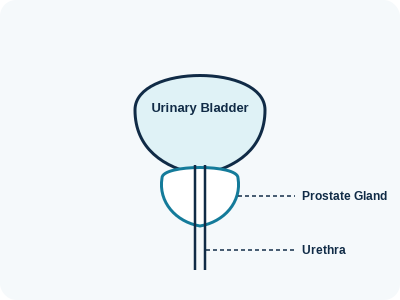
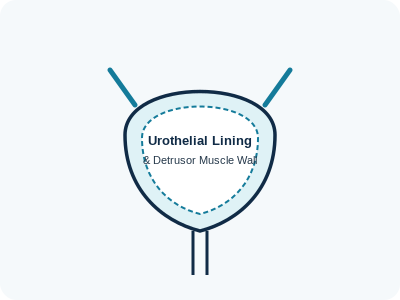
A urinary tract infection occurs when bacteria enter and multiply in the urinary system—most commonly the bladder (cystitis). Prompt, targeted care helps relieve symptoms and prevent ascending kidney infection (pyelonephritis).

Symptoms and Warning Signs
- Burning or stinging pain during urination (dysuria)
- Frequent or urgent need to pass small amounts of urine
- Lower abdominal discomfort or cloudy/strong-smelling urine
- Fever, chills, or flank pain—warning signs of possible kidney involvement
Causes and Risk Factors
Anatomical factors, incomplete bladder emptying, kidney/bladder stones, diabetes, urinary catheters, or prior incomplete antibiotic courses can contribute to recurrent infections.
Diagnostic Tests and Evaluation
Urine routine and urine culture with antibiotic sensitivity guide effective therapy. Recurrent or complicated infections may prompt ultrasound or imaging to check for structural or stone issues.
Available Treatment Approaches
Treatment centers on appropriate targeted antibiotics based on culture results, hydration, and identifying underlying contributors to recurrence.
When to Consult a Urologist
Seek medical attention for UTI symptoms, especially if symptoms recur frequently, occur in men, or are accompanied by fever or flank pain.
Self-care and practical tips
- Drink enough water through the day and do not hold urine for long periods.
- Pass urine after sexual intercourse.
- Complete the full antibiotic course prescribed for you.
- Keep diabetes well controlled.
Questions to ask at your consultation
- Do I need a urine culture before starting antibiotics?
- Why do my infections keep returning?
- Do I need an ultrasound or other tests?
Frequently asked questions
Why is a urine culture sometimes recommended before or during treatment?
A urine culture identifies the specific bacteria and shows which antibiotics are effective, helping avoid unnecessary or ineffective medications.
Discuss Urinary Tract Infection Treatment with a specialist
Choose your preferred hospital and request a consultation. Your enquiry opens in WhatsApp and is sent only when you press Send.