What Is a Urethral Stricture?
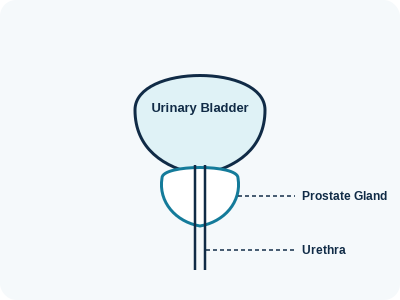
A urethral stricture is a narrowing of the urethra caused by scar tissue or inflammation, which can restrict the outflow of urine from the bladder.

Symptoms and Warning Signs
- Noticeably weak, thin, or spraying urinary stream
- Straining to urinate or prolonged voiding time
- Incomplete emptying, urinary frequency, or recurrent urinary infections
Causes and Risk Factors
Prior pelvic or straddle trauma, previous urethral instrumentation or catheterization, past infections, or certain inflammatory skin conditions of the genital area can lead to strictures.
Diagnostic Tests and Evaluation
Uroflowmetry, post-void residual ultrasound, retrograde urethrogram (RUG), or cystoscopy evaluate the location and length of the narrowing.
Available Treatment Approaches
Management depends on stricture length, location, and prior treatments, ranging from endoscopic procedures to reconstructive urethroplasty in selected cases.
When to Consult a Urologist
Consult a urologist for a progressively weakening urine stream, incomplete emptying, or difficulty passing urine.
Self-care and practical tips
- Do not strain to pass urine, and seek help early if your stream becomes very thin.
- Treat urinary infections promptly.
- Attend every follow-up, as a stricture can return.
- If you are taught self-catheterisation, follow the schedule carefully.
Questions to ask at your consultation
- How long is my stricture and where is it?
- Is dilatation likely to help, or should I consider urethroplasty?
- What is the chance of recurrence with each option?
Discuss Urethral Stricture Treatment with a specialist
Choose your preferred hospital and request a consultation. Your enquiry opens in WhatsApp and is sent only when you press Send.