What Is an Enlarged Prostate (BPH)?
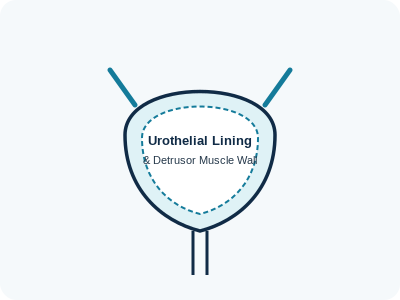
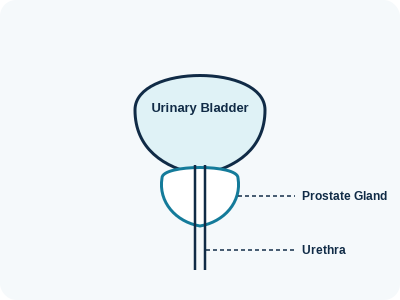
Benign prostatic hyperplasia (BPH) is a non-cancerous enlargement of the prostate gland common in aging men. As the prostate enlarges, it can narrow the urethral channel or irritate the bladder wall.

Symptoms and Warning Signs
- Weak or interrupted urinary stream and straining to start urination
- Waking multiple times at night to urinate (nocturia)
- Sudden urgency, frequency, or a feeling that the bladder does not empty completely
- Recurrent urinary tract infections or inability to pass urine
Causes and Risk Factors
Age and normal hormonal shifts play central roles in prostatic enlargement.
Diagnostic Tests and Evaluation
Assessment includes symptom scoring, urinalysis, PSA testing, uroflowmetry, and ultrasound measurement of prostate size and post-void residual urine.
Available Treatment Approaches
Mild-to-moderate symptoms often respond well to lifestyle adjustments and prescription medications. When symptoms persist, cause urinary retention, or affect the bladder or kidneys, endoscopic surgical options such as TURP or laser prostate procedures may be recommended.
When to Consult a Urologist
Seek specialist care if urinary symptoms disrupt sleep or daily life, or urgently if you cannot pass urine at all.
Self-care and practical tips
- Reduce fluids in the two hours before bed, and limit caffeine and alcohol.
- Pass urine on a regular schedule rather than waiting until the last moment.
- Take your time to empty fully, and try double voiding.
- Check with your doctor or pharmacist before taking cold remedies containing decongestants.
Questions to ask at your consultation
- How large is my prostate and how much urine remains after I pass water?
- What are the side effects of the medicines you suggest?
- When would surgery be a better option than tablets?
Frequently asked questions
Is BPH the same as prostate cancer?
No. BPH is a non-cancerous enlargement, though both conditions can cause urinary symptoms and require appropriate clinical evaluation.
Discuss Enlarged Prostate / BPH Treatment with a specialist
Choose your preferred hospital and request a consultation. Your enquiry opens in WhatsApp and is sent only when you press Send.