Overview of Prostate Cancer
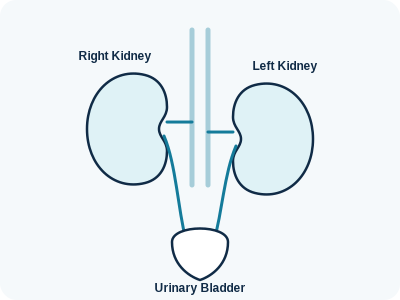
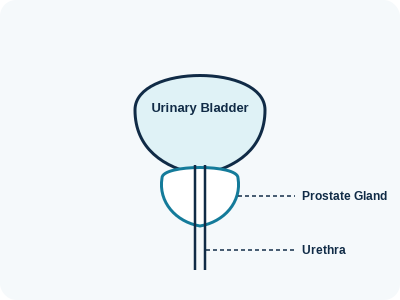
Prostate cancer develops in the walnut-sized prostate gland located below the bladder in men. Many prostate cancers grow slowly and remain confined to the gland for years, while others require timely multimodal intervention.

Symptoms and Warning Signs
- Early prostate cancer frequently causes no symptoms
- Urinary frequency, weak stream, or nighttime urination (which also overlap with enlarged prostate / BPH)
- Blood in urine or semen, or bone discomfort in more advanced stages
Causes and Risk Factors
Age, family history of prostate or breast cancer, and inherited genetic variants are established risk factors.
Diagnostic Tests and Evaluation
Evaluation combines serum PSA (prostate-specific antigen) interpretation, digital rectal examination, multiparametric MRI of the prostate, and targeted prostate biopsy when indicated.
Available Treatment Approaches
Management depends on cancer stage, Gleason/grade group, PSA level, and overall health. Options range from active surveillance for low-risk disease to robot-assisted radical prostatectomy, radiotherapy, or hormonal/systemic therapies.
When to Consult a Urologist
Consult a urologist if you have an elevated or rising PSA, family history of prostate cancer, or persistent urinary symptoms.
Self-care and practical tips
- Keep a record of your PSA results over time.
- Stay physically active, which supports recovery and general health.
- Pelvic floor exercises can help urinary control after treatment.
- Share any family history of cancer with your doctor.
Questions to ask at your consultation
- What is my risk group, and what does that mean?
- What are the likely effects on urinary control and sexual function with each option?
- Is surveillance reasonable, and how would it be monitored?
Frequently asked questions
Does a high PSA level always mean prostate cancer?
No. PSA can also rise due to benign prostate enlargement, urinary infection, or prostatitis. Further evaluation helps clarify the cause.
Discuss Prostate Cancer Treatment with a specialist
Choose your preferred hospital and request a consultation. Your enquiry opens in WhatsApp and is sent only when you press Send.