What Are Bladder Stones?
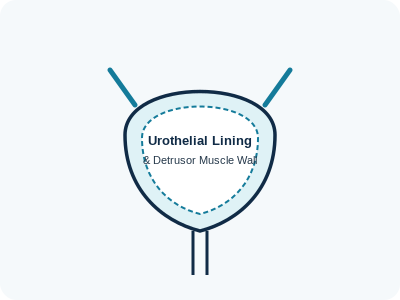
Bladder stones form inside the urinary bladder, most commonly when the bladder does not empty completely—allowing minerals in residual urine to crystallize over time.

Symptoms and Warning Signs
- Lower abdominal pain or pressure
- Pain or burning during urination
- Interrupted urine stream, frequency, or blood in the urine
Causes and Risk Factors
In men, enlarged prostate (BPH) is a common contributor to incomplete emptying. Strictures, neurogenic bladder, or indwelling catheters can also predispose patients.
Diagnostic Tests and Evaluation
Pelvic ultrasound, cystoscopy, and bladder emptying assessment identify both the stones and any underlying outlet obstruction.
Available Treatment Approaches
Most bladder stones can be fragmented and removed endoscopically (cystolitholapaxy) via the urethra, paired with treating the underlying cause of incomplete emptying to lower recurrence risk.
When to Consult a Urologist
Consult a urologist for lower urinary tract symptoms, blood in urine, or recurrent urinary infections.
Self-care and practical tips
- Drink enough fluids and avoid long gaps between passing urine.
- Treat urinary infections promptly.
- Follow up on the underlying problem such as prostate enlargement.
- If you use a catheter, follow hygiene and change schedules carefully.
Questions to ask at your consultation
- What caused my bladder stone?
- Do I need treatment for my prostate or urethra as well?
- How can I stop stones from forming again?
Frequently asked questions
Why is treating incomplete bladder emptying important after bladder stone removal?
If stagnant urine remains in the bladder, new stones may form again unless the underlying cause of incomplete emptying is addressed.
Discuss Bladder Stone Treatment with a specialist
Choose your preferred hospital and request a consultation. Your enquiry opens in WhatsApp and is sent only when you press Send.