What Is Pyeloplasty?
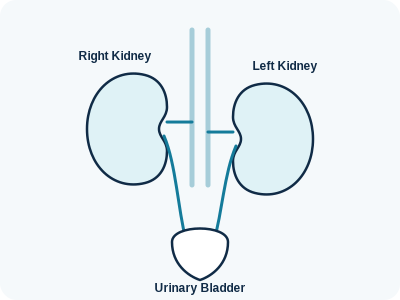
Pyeloplasty is a reconstructive surgical procedure performed to relieve narrowing or blockage at the pelvi-ureteric junction (PUJ)—where the kidney’s collecting funnel (renal pelvis) meets the ureter.

Symptoms and Warning Signs
- Flank or back pain, often noticeable after increased fluid intake
- Kidney swelling (hydronephrosis) seen on ultrasound or CT scan
- Recurrent urinary tract infections, kidney stones, or gradual decline in kidney function
Diagnostic Tests and Evaluation
Evaluation typically includes renal ultrasound, CT or MR urography, and a functional diuretic renogram (such as EC scan) to assess drainage and split kidney function.
Available Treatment Approaches
During pyeloplasty, the narrowed segment is excised and the healthy renal pelvis is reconnected to the ureter to promote unobstructed drainage. The procedure can be performed via minimally invasive laparoscopic or robot-assisted techniques depending on clinical suitability.
When to Consult a Urologist
If imaging reveals hydronephrosis or PUJ obstruction, consult a urologist to evaluate kidney drainage and discuss timely management.
Self-care and practical tips
- Treat urinary infection before surgery.
- Plan for a short hospital stay and a period of rest afterwards.
- Keep follow-up appointments for stent removal and scans.
- Report fever, severe flank pain or reduced urine output.
Questions to ask at your consultation
- How much function does my affected kidney have?
- Would a minimally invasive approach suit me?
- How will we know the operation has worked?
Frequently asked questions
Why is a renogram scan often ordered before pyeloplasty?
A diuretic renogram measures how well urine drains from the kidney and quantifies the relative function of each kidney to guide treatment decisions.
Discuss Pyeloplasty Surgery with a specialist
Choose your preferred hospital and request a consultation. Your enquiry opens in WhatsApp and is sent only when you press Send.