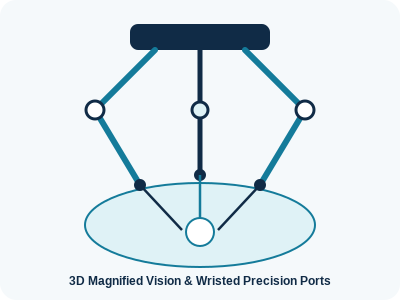
Robotic-assisted surgery is a form of minimally invasive keyhole surgery performed by your surgeon using a robotic platform that translates hand movements into fine, scaled instrument motion.

Where It Is Used in Urology
Common applications include partial or radical nephrectomy, prostate cancer surgery, bladder cancer surgery, and pyeloplasty.
Balanced Expectations
While 3D magnification and articulated instruments assist delicate suturing and dissection in tight anatomical spaces, every surgery carries potential risks and individual recovery timelines. Always discuss benefits, alternatives, and risks directly with your surgical team.
Conditions where robotic surgery may be considered
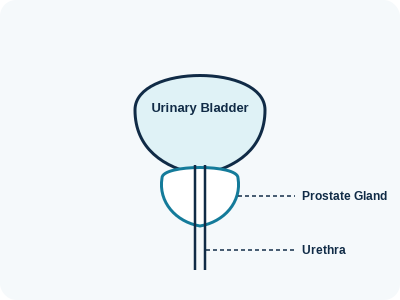
- Localised prostate cancer, for removal of the prostate
- Kidney tumours, for partial or complete removal of the kidney
- Selected bladder cancers, for removal of the bladder
- Blockage at the kidney outlet, for pyeloplasty
Whether robotic surgery is suitable depends on the condition, its stage, previous operations, general fitness and the equipment available at the hospital.
Possible benefits and limits
Compared with open surgery, minimally invasive operations may involve smaller incisions, less blood loss and a shorter stay for some patients. Robotic surgery is still major surgery, with risks such as bleeding, infection and anaesthetic complications, and an operation may occasionally need to be converted to an open procedure.
Preparing for robotic surgery
- Pre-operative tests and an anaesthetic assessment
- Advice on fasting and on stopping or continuing medicines
- A plan for catheter or drain care after surgery, if needed
- A clear follow-up schedule, including results of any tissue analysis
Have a question about your symptoms?
Choose your preferred hospital and request a consultation. Your enquiry opens in WhatsApp and is sent only when you press Send.