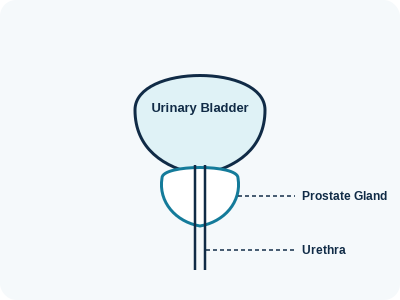

Seeing pink, red, or tea-coloured urine—or having blood detected on a urine test—is called hematuria. Even if it is painless or stops after a day or two, it should be evaluated by a doctor.

Possible Causes
Causes include urinary tract infections, kidney or ureteric stones, prostate enlargement, or growths in the bladder or kidneys.
Typical Evaluation
Urologists commonly combine urine tests, kidney/bladder imaging, and cystoscopy when indicated to find the exact source safely.
Common causes
- Urinary infection
- Kidney, ureteric or bladder stones
- Benign enlargement of the prostate
- Inflammation of the kidney
- Tumours of the bladder, kidney or upper urinary tract
Blood thinners can make bleeding more likely, but they do not explain it away. Bleeding while on these medicines still needs to be checked.
How it is investigated
Investigations usually include urine tests and culture, kidney function blood tests, imaging of the kidneys and ureters with ultrasound or a CT urogram, and a cystoscopy, a thin camera look inside the bladder, often done under local anaesthetic.
When it is an emergency
- Heavy bleeding or clots that stop you passing urine
- Bleeding with fever, severe pain or dizziness
In these situations go to the nearest emergency department.
Have a question about your symptoms?
Choose your preferred hospital and request a consultation. Your enquiry opens in WhatsApp and is sent only when you press Send.