
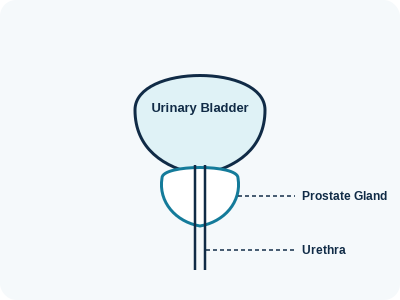
Evaluating potential prostate cancer involves step-by-step testing to distinguish slow-growing disease from conditions requiring active treatment.

Diagnostic Steps
Clinicians review PSA blood levels, clinical examination, multiparametric MRI of the prostate, and targeted biopsy results alongside staging scans when needed.
Shared Decision-Making
Treatment planning weighs cancer risk group, life expectancy, and quality-of-life priorities such as urinary control and sexual function, covering options from active surveillance to surgery or radiation.
What a PSA result means
PSA is a protein made by the prostate. A raised level can be caused by cancer, but also by benign enlargement, infection or a recent procedure. Results are interpreted with your age, prostate size and earlier values, and a single raised value is usually repeated.
MRI and biopsy
A multiparametric MRI of the prostate helps identify areas that look suspicious and can guide a targeted biopsy. The biopsy result gives a grade that describes how aggressive the cancer is, which shapes the treatment discussion. Further scans may be advised to check whether the cancer has spread.
Treatment options
- Active surveillance for selected low-risk cancers, with regular PSA, MRI and repeat biopsy
- Radical prostatectomy, which may be performed with robotic assistance
- Radiotherapy, sometimes combined with hormone treatment
- Hormone and other systemic treatments for advanced disease
Each option affects urinary control and sexual function differently, and these effects are discussed before a decision is made.
Have a question about your symptoms?
Choose your preferred hospital and request a consultation. Your enquiry opens in WhatsApp and is sent only when you press Send.