
A urinary tract infection (UTI) that returns again and again is exhausting and disruptive. Recurrent UTI is usually defined as two or more infections in six months, or three or more in a year. The good news is that a cause can often be identified.

Possible causes
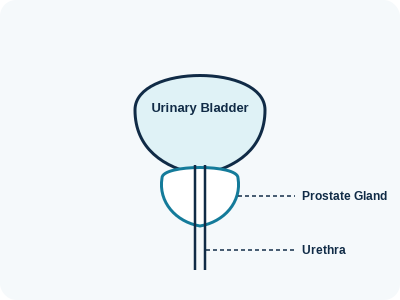
- Incomplete bladder emptying, for example from prostate enlargement
- Kidney or bladder stones harbouring bacteria
- Urethral stricture
- Diabetes or reduced immunity
- Menopausal changes in women
- Catheter use or structural abnormalities
Tests your urologist may suggest
- Urine culture during an infection, with sensitivity results
- Ultrasound of kidneys and bladder, with post-void residual measurement
- Flow tests and cystoscopy where indicated
- CT scan if stones or complex disease are suspected
Prevention
- Drink enough fluids and pass urine regularly, not holding it for long periods.
- Pass urine after intercourse.
- Treat constipation and control diabetes.
- Discuss preventive options with your doctor, which may include vaginal oestrogen in post-menopausal women or a carefully chosen preventive antibiotic plan.
Avoid taking antibiotics without a doctor’s advice, since unnecessary use encourages resistant bacteria. See also our page on UTI treatment.
When to see a urologist
- Two or more infections in six months, or three or more in a year
- Any urinary infection in a man
- Infections with fever, flank pain or blood in the urine
- Infections that do not clear with the usual treatment
Living with fewer infections
Most people with recurrent infections can reduce how often they happen once the cause is found. Keep a record of infections and culture results, as this helps your urologist choose the right tests and treatment.
Have a question about your symptoms?
Choose your preferred hospital and request a consultation. Your enquiry opens in WhatsApp and is sent only when you press Send.