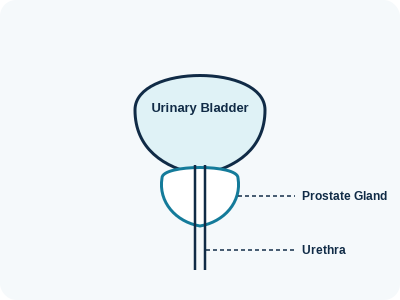
Prostate-specific antigen (PSA) is a protein made by the prostate gland. A blood test measures how much is in your blood. It is widely used in the assessment of prostate health, but it must be interpreted carefully.

Why can PSA be raised?
- Prostate cancer
- Benign enlargement of the prostate (BPH)
- Prostate infection or inflammation (prostatitis)
- Recent catheter, cystoscopy or prostate procedure
- Ejaculation or vigorous cycling in the previous day or two in some men
What is a normal PSA?
There is no single normal value. PSA tends to rise with age and prostate size, so doctors look at your age, previous results and how fast the value is changing. A result can be reassuring or concerning depending on these factors.
What happens if it is high?
- Repeat the test after treating any infection and avoiding triggers.
- Review your symptoms, family history and examination findings.
- Consider an MRI of the prostate to see whether any area looks suspicious.
- Biopsy, usually targeted, if the MRI or other factors suggest it is needed.
Benefits and limits of testing
PSA testing can find cancers early, but it can also detect slow-growing cancers that may never cause harm. This is why the decision to test should be a shared one after discussing pros and cons. Read more about prostate cancer assessment and BPH.
Have a question about your symptoms?
Choose your preferred hospital and request a consultation. Your enquiry opens in WhatsApp and is sent only when you press Send.